The Planck constants define the boundaries of the coherent bases of atomic logic. Below, the same five boundaries are shown through real and imaginary surface plots, phase plots, and their coherent closed-form definitions.
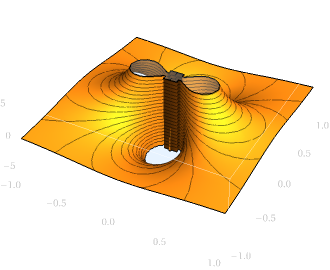
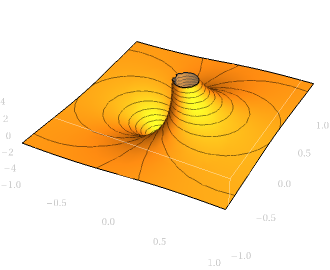
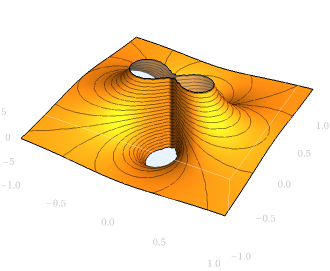
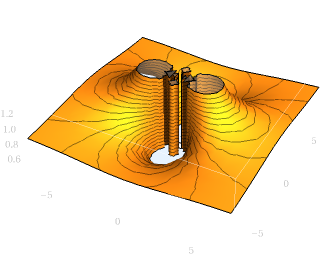
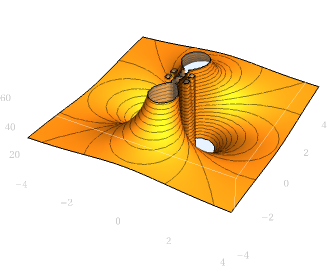
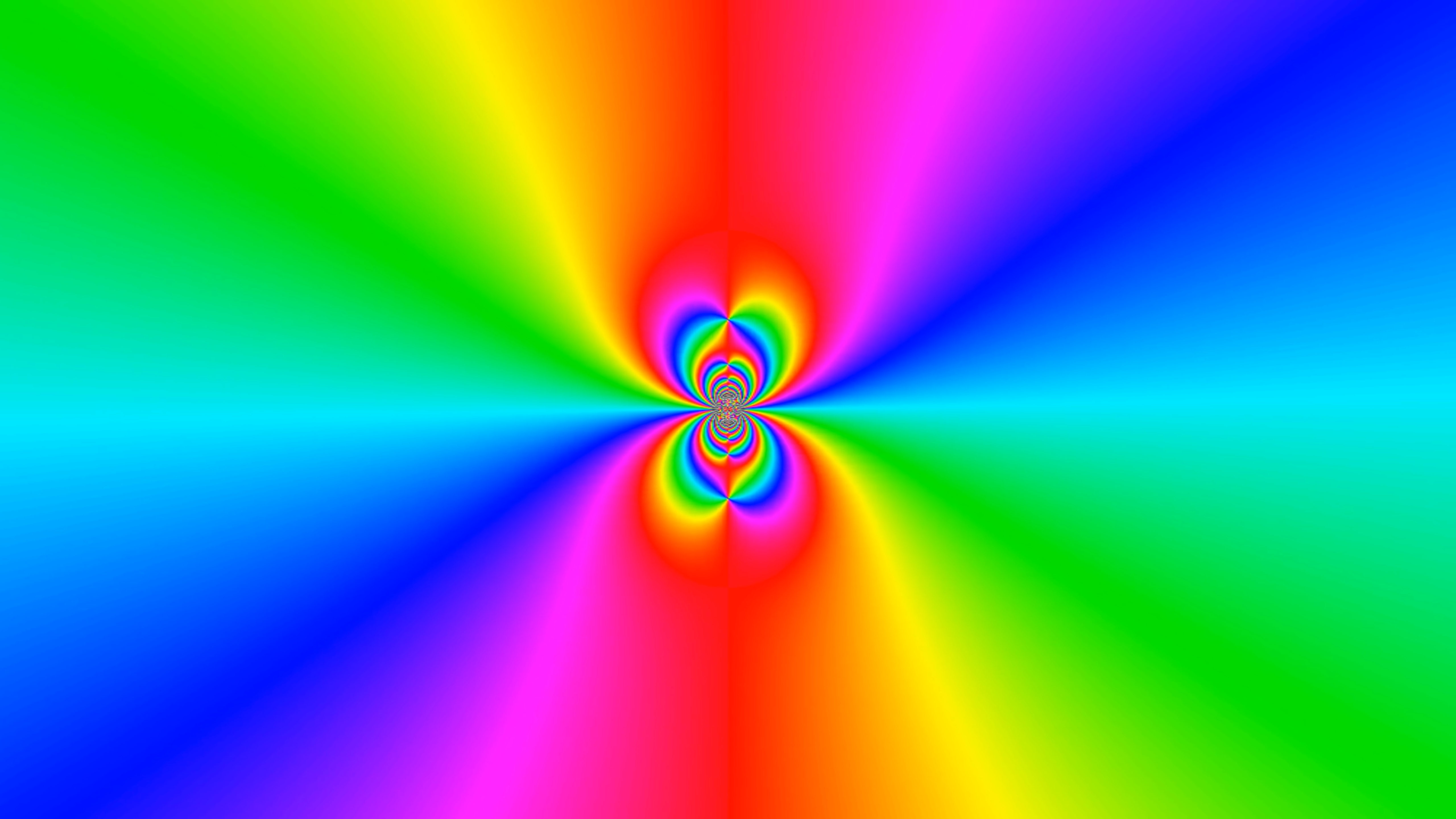
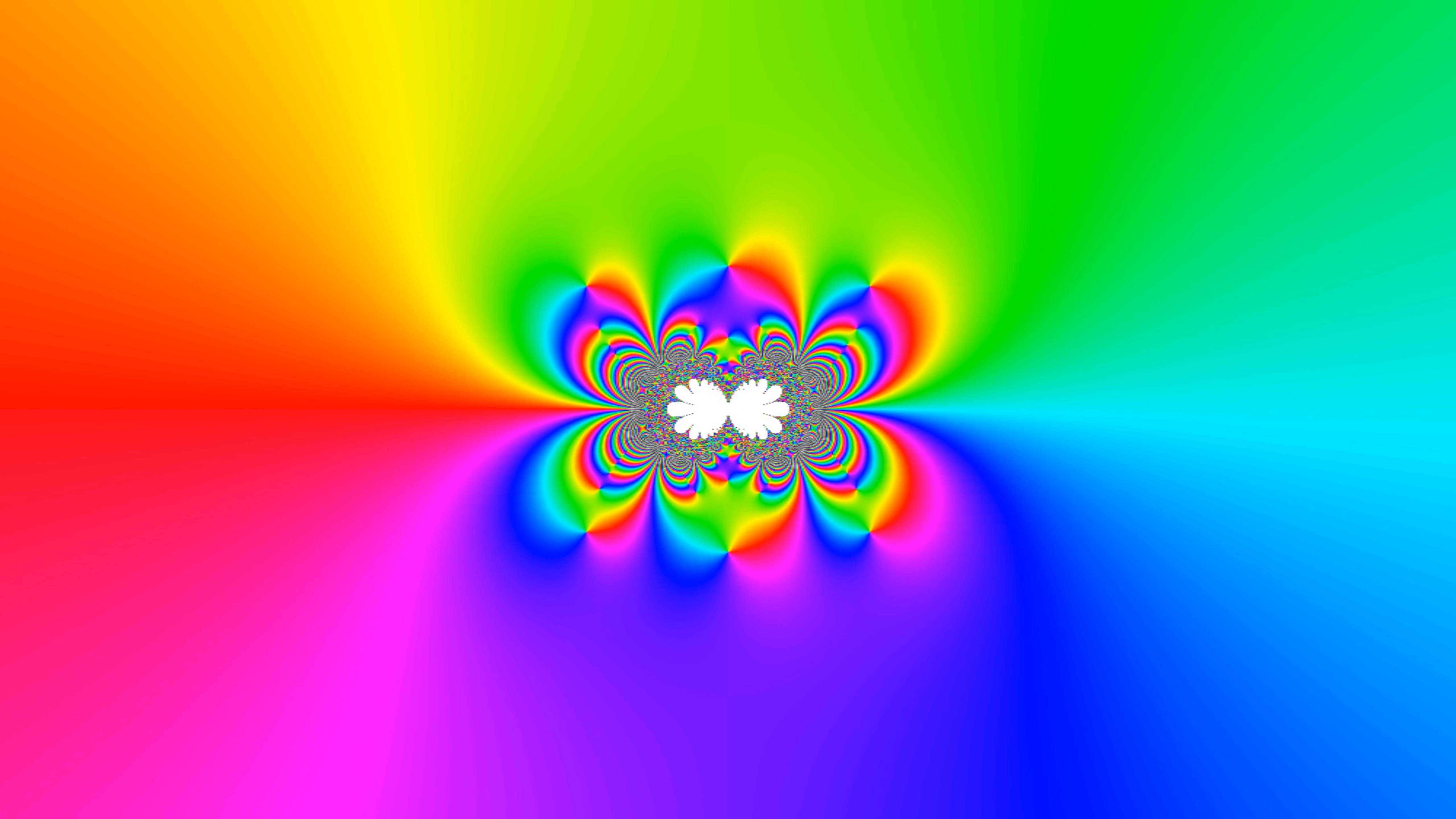
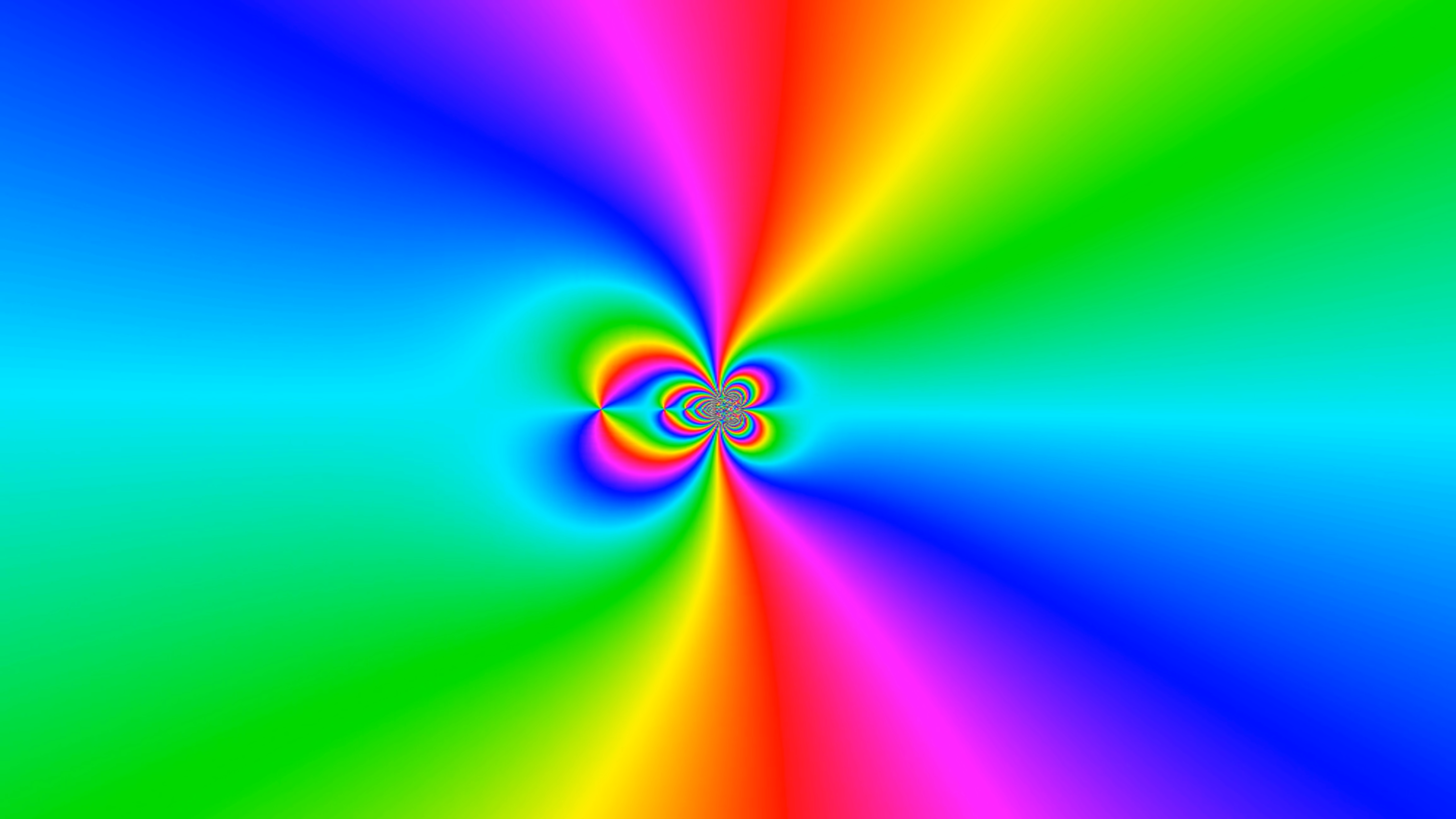
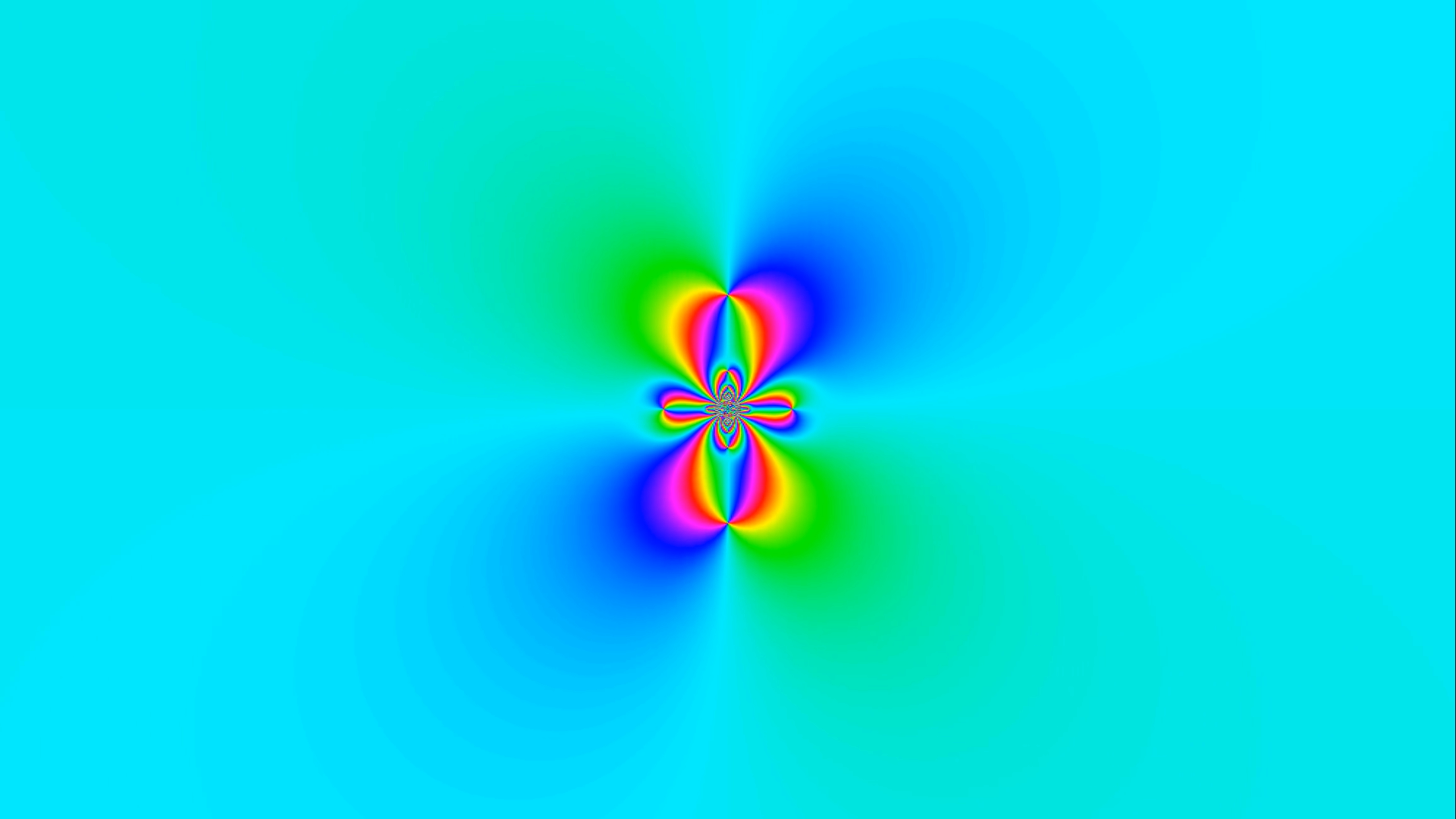
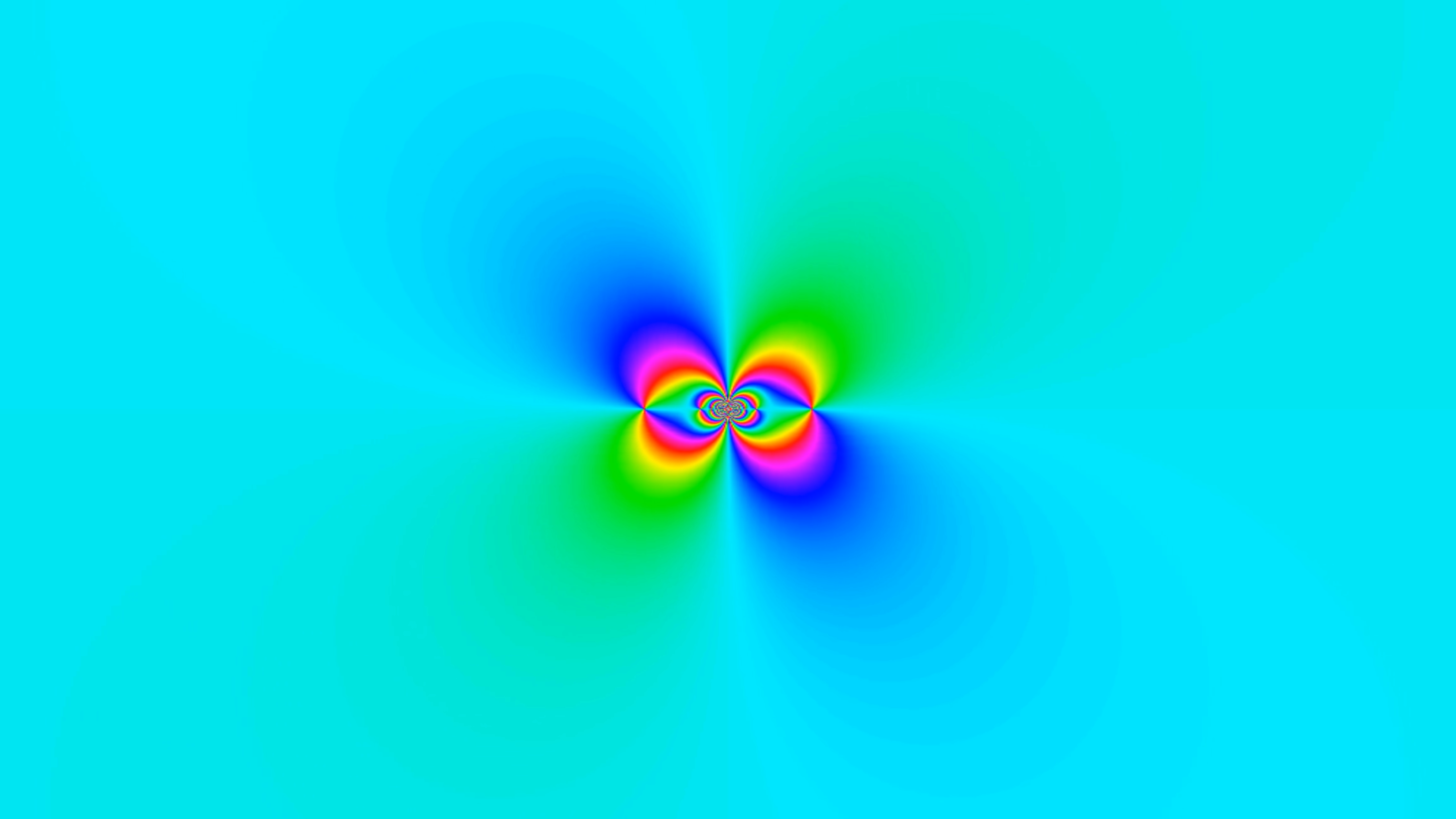
Closed-form encoding of the Planck boundaries
Each Planck boundary is associated with a geometric factor  that connects its continuous scalar coordinate
  to its discrete integer lattice value
  :
:

For the five Planck boundaries,


Here k ∈ { 0, 1, 2, 3, 4 }, is the geometric factor supplied by the kth closed form, is its continuous scalar coordinate,  is the exponential image of that scalar, and ∈ Z is the discrete integer lattice value selected by the relation.
The same pair ( , ) is then used to locate the normalized Planck boundary in decimal scale. The continuous scalar becomes the significand, while the signed integer becomes the decimal exponent:

Here  is the kth Planck boundary and
  is the coherent base unit of the corresponding physical quantity. Thus, for the five Planck boundaries,


Together, these relations present the same five Planck boundaries in three complementary forms: as real and imaginary surfaces, as complex phase structure, and as exact closed-form coordinates. The geometric factors connect the continuous scalars to the discrete lattice values , while the same ( , ) pairs locate the corresponding Planck boundaries on their physical decimal scales. In this way, the geometric and numerical descriptions are two representations of the same boundary structure.